Front doors
How much does a bespoke front door actually cost?
In short
There is no price list for a bespoke front door, because the door does not exist until it is drawn. Cost is set by the size and configuration, the material, the glazing, the security rating, the finish and hardware, and how much work the opening needs. The figure is fixed in a written quote after a design consultation and a site survey.
Key takeaways
- A one-off door is priced from a drawing and a survey, not from a catalogue, so no honest figure exists before the design is agreed.
- Size and configuration move the number more than any single style choice: a wide double leaf with sidelights and a fanlight is a frame project, not a door.
- Design freedom sits on top of the security construction, so a custom face, finish and glazing do not have to cost you the rating.
- The price is fixed in writing before anything is made, and nothing is built until you have approved the drawing.
A bespoke front door has no list price because it is drawn before it is built. What you pay is set by seven things: size and configuration, material, glazing, security rating, finish, hardware, and the work your opening needs. All of it is fixed in writing after a survey.
That answer is unsatisfying if you are trying to set a budget, so this guide does the useful part: it explains what each of those seven things does to the number, and where in the process you find out. If you want the wider picture across steel, aluminium and pivot doors, start with our guide to what a new front door costs in London. This one narrows to the door you commission rather than the door you choose, and sits alongside our custom security door range.
Why is there no price list for a door that does not exist yet?
A standard door has a price because it already exists in a size and a specification. A bespoke door does not. It starts as a sketch, a photograph, an architectural drawing or an idea, and it is drawn to your opening before anything is made.
That means the cost is assembled, not looked up. Every decision you make in the design adds or removes material, glass, hardware, finishing and labour, and the drawing is what records those decisions. Until the drawing exists, there is nothing to price.
It also means a number given early is worth very little. Anyone can say what a door costs before they have measured the opening or seen the design. What they cannot do is hold to it.
Which design decisions move the number most?
Not evenly. In rough order of how much they change the figure:
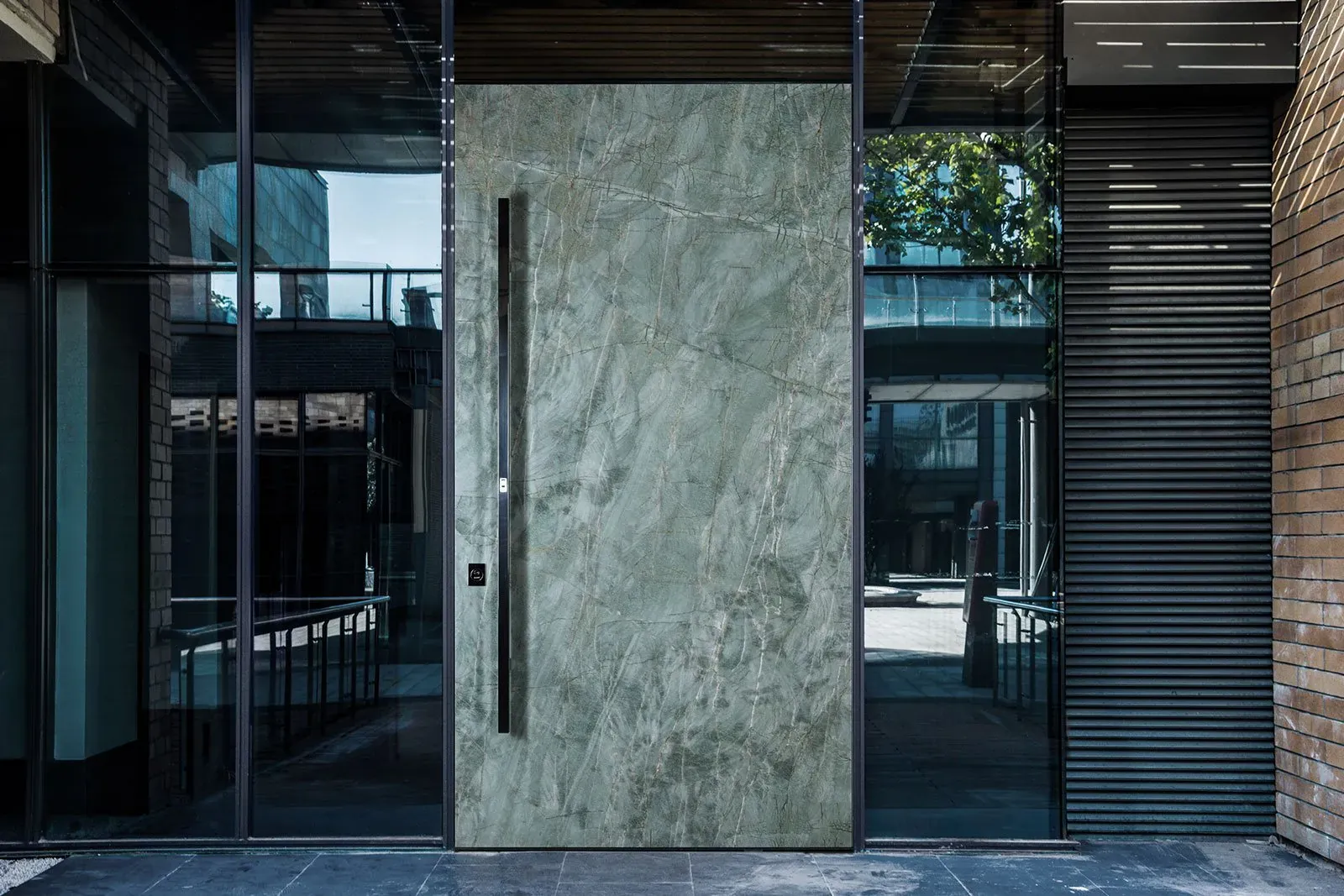
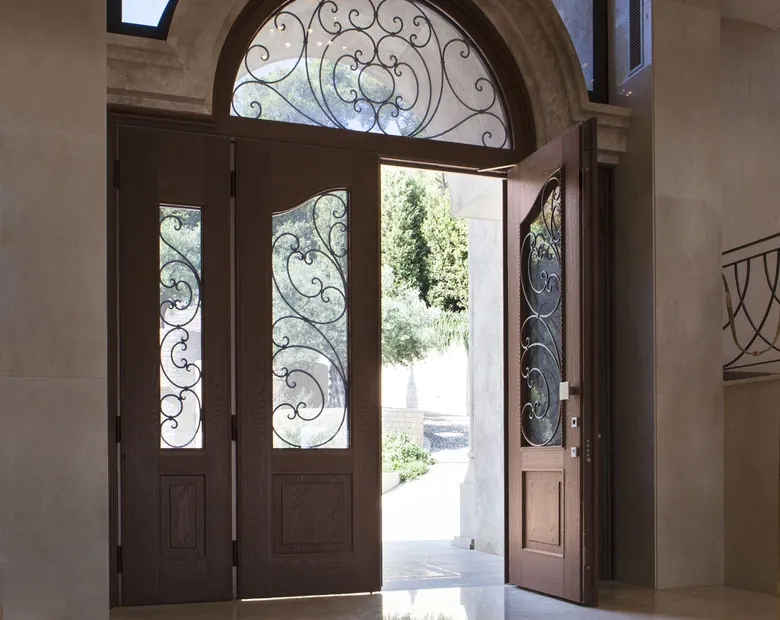
Size and configuration. This is the big one. A single leaf in a standard opening is one job. A wide double leaf with full-height sidelights and a fanlight over the top is a frame-and-panel project with several times the material, more glass, a heavier frame and a longer installation. Oversized proportions also need engineering at scale, because a door that is taller and wider has to stay flat, hang true and keep sealing over the life of the door.
Material. Steel and aluminium behave differently and price differently. Steel front doors reach the higher tested resistance levels and take milled period profiles well. Aluminium front doors suit slim sightlines, large glazed panels and wide spans, and hold their finish across big surfaces. Neither is the budget option, and the right one is set by the look you want and the rating your property needs, not by a price comparison.
Glazing. Glass is where seemingly similar doors separate. A solid leaf is one price. A leaf with a vision panel is another. Sidelights, transoms, fanlights, and decorative treatments such as leaded, etched, sandblasted or bevelled glass each add cost, and all of it is made up in laminated security glass so the look does not come out of the security.
Finish. Any RAL colour is available, inside and out, and a different colour each side is possible. Standard powder-coated colours sit at one level. Specialist metallic, wood-effect and textured finishes sit higher, because the coating process is different.
Hardware. Handles, knockers, letterplates, spy holes, numerals and escutcheons run from functional to heavy solid brass and bronze. This is the part of the budget you can most easily move up or down late in the process without touching the rest of the door.
Does a one-off design cost you the security rating?
No, and this is the misunderstanding worth clearing up before you budget.
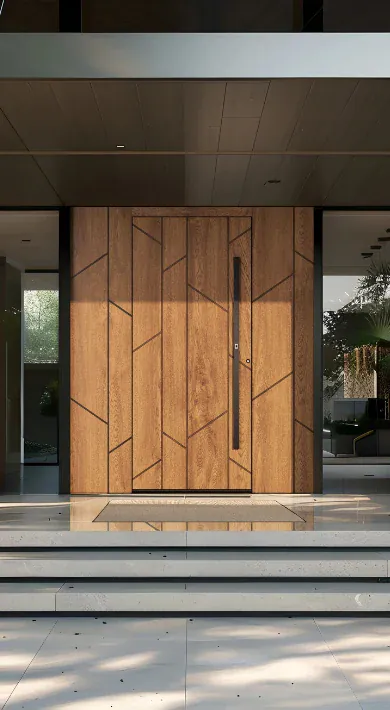
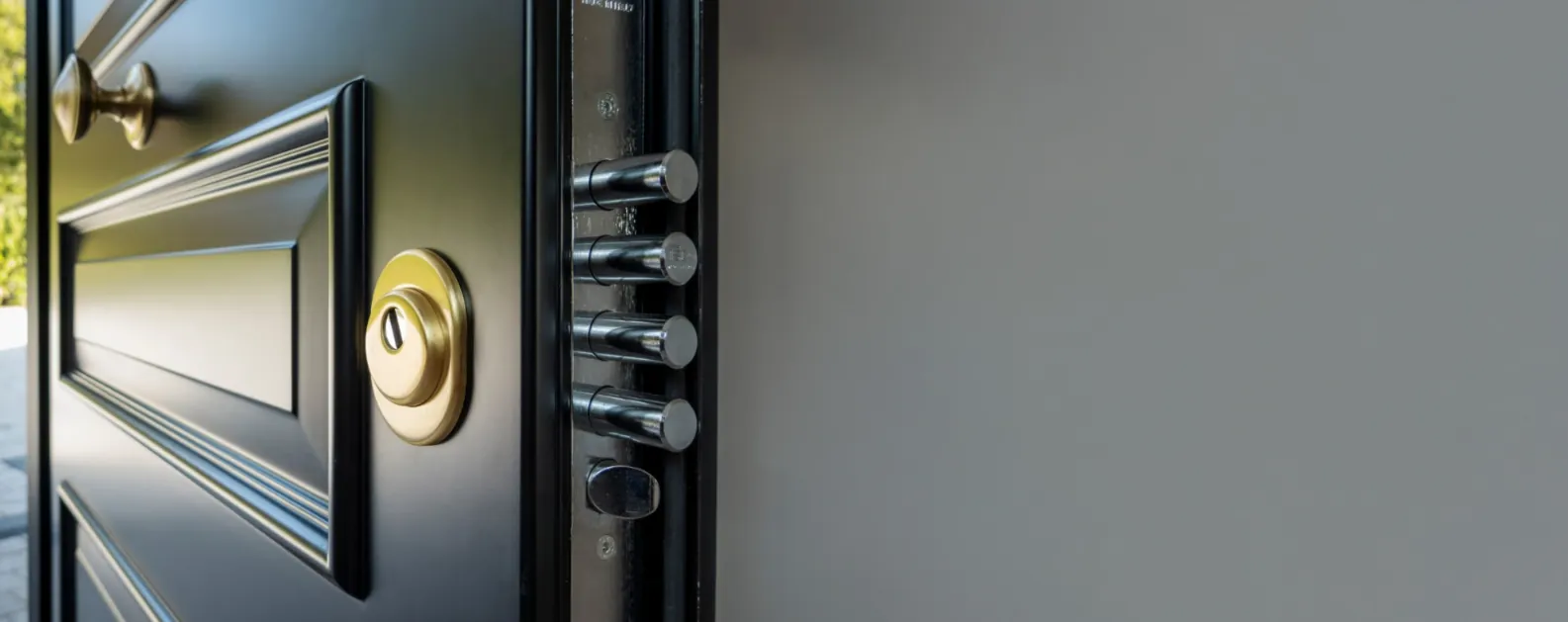
On a made-to-order steel or aluminium door, the security is in the construction: the frame, the reinforced leaf, the insulated core, the multi-point locking engaging at the top, side and base, the anti-drill cylinder, the concealed hinges and the laminated glazing. The design you choose is specified on top of that construction. The face can be milled to a Georgian, Victorian, Edwardian or contemporary profile, or to a drawing of your own, without changing what is underneath.
So going bespoke does not get you a weaker door, and it does not add a security surcharge either. What does change the cost is the rating you specify. A door built and tested to a higher resistance level under a named standard uses more material and more engineering than one aimed at the baseline, and that testing and construction is a real production cost. Our certifications page sets out the standards our doors are tested to, and our guide to LPS 1175 security ratings explains what the levels actually mean. If you want the security decision made before the design decision, that sequence is set out in how to choose a secure front door without compromising on design.
Why does your opening change the price?
Two identical doors fitted into two different houses are not two identical jobs.
A made-to-measure door is built for the structural opening it goes into, so the survey is measuring the thing that sets both the door and the labour. What the surveyor finds changes the quote:
- The reveal and the frame. Out-of-square reveals, rotten sub-frames and openings that have been made good badly over the years all need work before a new frame goes in.
- The lintel. If the lintel is failing, or the opening is being widened, that is structural work with its own cost.
- The threshold and floor level. A flush threshold in an existing floor is more work than a standard stepped one, and older London floors rarely arrive level.
- Access. A heavy oversized leaf has to reach the opening. A narrow side return, a flight of steps, a first-floor entrance or a restricted parking street all add time and sometimes equipment.
- Making good. Removing the old door and frame, and finishing around the new one, is part of the job and should be part of the price.
How is a bespoke door priced, step by step?
The sequence matters, because it tells you when a number becomes real.
- Design consultation. You bring a drawing, a photograph, a door you have seen, or a description. We work out what is possible in steel or aluminium and what it implies for the frame, the glazing and the rating.
- Site survey. Free, on site, and the point at which the opening stops being a guess. The structural opening, reveal depth, lintel, threshold, floor, swing direction and access are all recorded, along with your choices for profile, finish, glazing and hardware.
- Drawing. The door is drawn for you to approve. This is the document the price is built from.
- Written quote. Itemised, covering the survey, the leaf and frame, the threshold, the locking, the cylinder, the hinges, the glazing, removal of the old door, installation and making good. The price is fixed before the order.
- Sign-off, then manufacture. Nothing is made until you have approved both the drawing and the price. The door is then manufactured to your exact specifications.
- Installation and aftercare. Surveyed, supplied and installed by our own team, so one team answers for the whole job. Aftercare is available; ask us for a quote.
The reason to insist on that order is simple. A quote produced before the survey is a number that can move. A quote produced after it should not.
A one-off design or a standard profile: what actually changes?
“Bespoke” covers a range, and knowing where your project sits on it is the most useful budgeting move you can make.
At one end, you choose from profiles that already exist. Our custom range carries twelve milling profiles, from Georgian and Victorian through to V-groove and half-moon, and the door is still made to your opening, in your colour, with your glazing and your hardware. The design work is already done; you are specifying, not drawing.
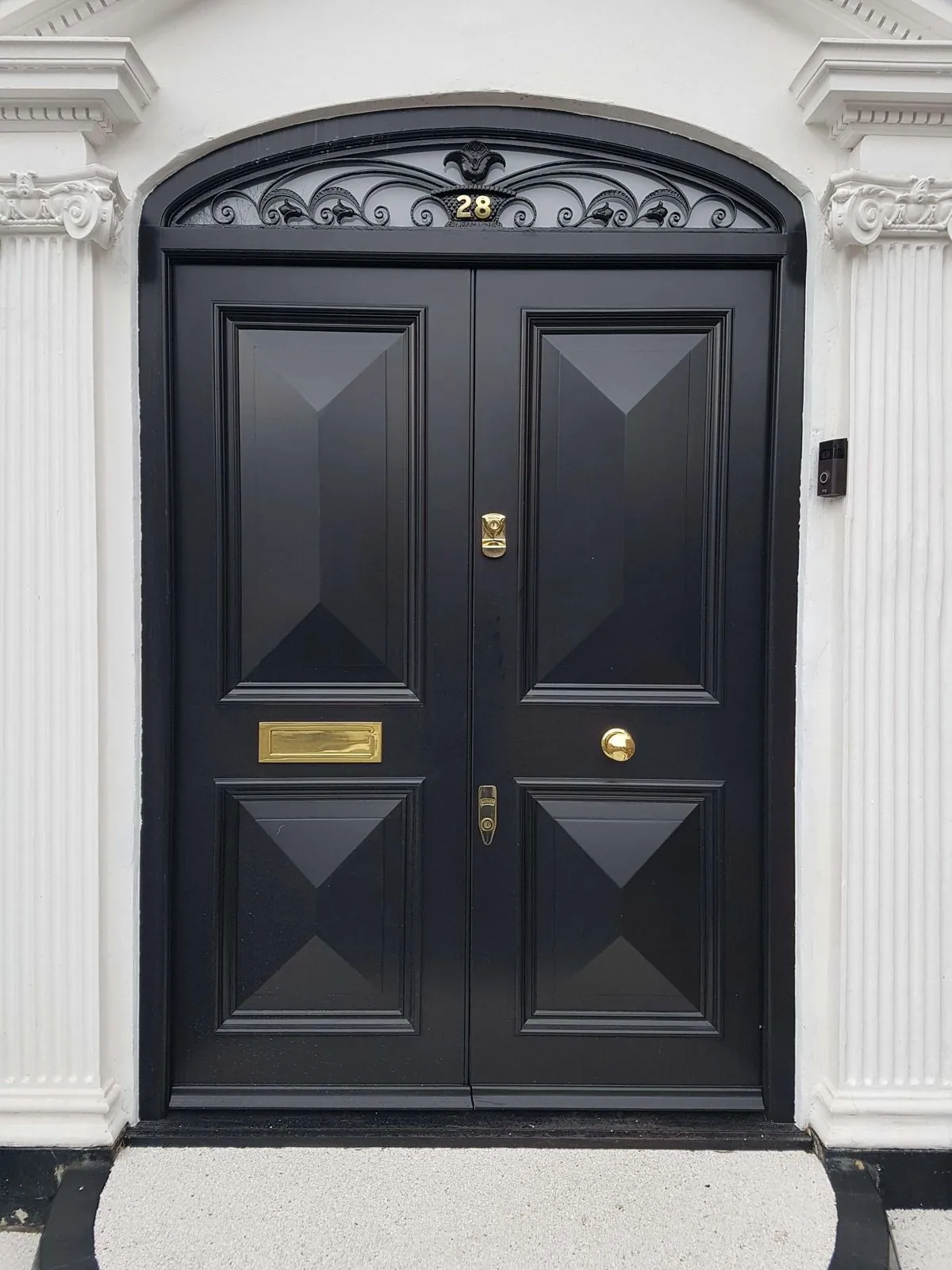
At the other end, the door begins from a drawing. A period door being replicated, an architectural design being interpreted, an unusual arched or oversized opening, or an idea that does not exist yet. That takes design time, drawing time and setting up that a tooled profile does not, and the price reflects it.
Most projects sit somewhere in between, and the honest way to find out is to put the design in front of someone who will tell you which end it is closer to before you commit to it.
Ready to find out what your door would cost?
Book a free site survey. We measure the opening, talk through what you want the door to be, and produce a written, itemised quote with the price fixed before the order. If the design is still an idea rather than a drawing, that is the normal starting point.
Book a free site survey, or look through the custom range first.
Frequently asked questions
- Why will nobody give a price for a bespoke front door over the phone?
- Because none of the things that set the price are known yet. The size of the structural opening, the configuration, the glazing, the rating, the finish and the state of the existing frame all change the figure, and none of them can be read off a photograph. A phone number is a guess, and a guess is what moves later.
- Does a bespoke design cost you the security rating?
- No. On a made-to-order steel or aluminium door the security construction sits behind the design, so the panel layout, mouldings, glazing, colour and hardware are specified on top of a tested build rather than cut out of it. Ask which standard the door is tested to and whether the certificate covers the size and configuration you want.
- What makes one bespoke door cost more than another?
- Size and configuration first, then glazing, then the security rating, then the finish and hardware, then the work your opening needs. A single leaf in a sound, square opening sits at one end. A wide double leaf with sidelights, a fanlight, decorative security glazing and a new lintel sits at the other.
- Is a one-off design more expensive than choosing a standard profile?
- Usually, yes, because drawing and making a design from scratch takes more design time and more setting up than a profile that is already tooled. The gap depends on how far the design travels from something already made. A profile from the existing range in a colour and hardware of your choosing is still made to your opening.
- At what point do you find out the price?
- After the design consultation and the site survey, in a written, itemised quote. That quote covers the survey, the leaf and frame, the threshold, the locking, the cylinder, the hinges, any glazing, removal of the old door, installation and making good. The price is fixed before the order, and nothing is made until you have signed off the drawing.