Front doors
LPS 1175 Security Ratings Explained: What the SR Scale Actually Means
In short
LPS 1175 is a British test standard that rates how well a product resists forced entry. Each security rating, written as SR followed by a number, pairs a defined set of tools with a minimum time the product must hold out. Higher numbers mean a wider toolkit and a longer attack, not simply a heavier door. The US ASTM framework measures forced entry differently, so the two scales do not convert directly.
Key takeaways
- LPS 1175 is a British standard that rates a product's resistance to forced entry, tested and certified by the LPCB.
- Each SR number fixes a toolkit and a minimum resistance time — a higher rating means a broader set of tools and a longer attack, not just a thicker door.
- The rating belongs to the whole tested assembly, the door and its frame together, never the leaf on its own.
- Most homes are specified at SR1 to SR3; before relying on any claim, ask for the certificate that names the exact product and rating.
If you have been shopping for a security door, you have probably seen “LPS 1175 SR2” or “SR3” next to a product and had no idea whether that number matters or how high it needs to be. It is one of the most quoted security ratings in the UK and one of the least explained. Here is what LPS 1175 actually measures, how the SR scale works, and how to read it against the US ASTM standard.
What LPS 1175 actually measures
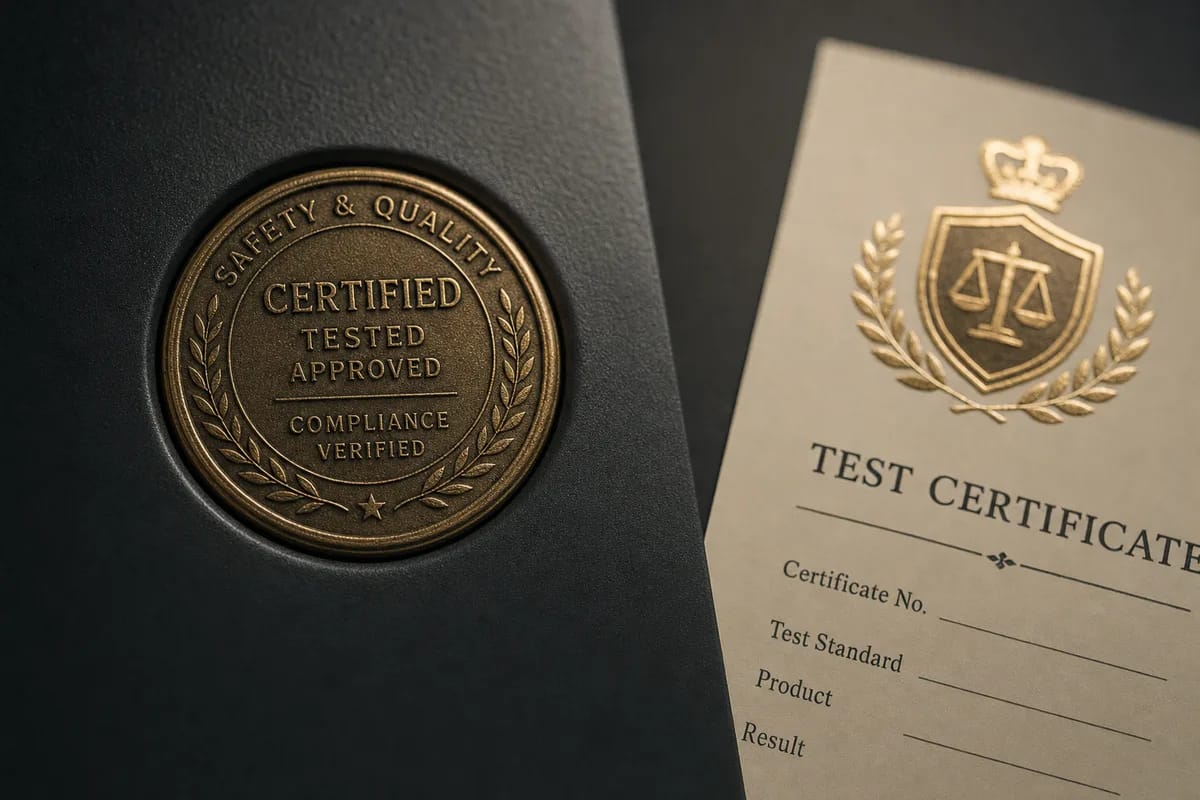
LPS 1175 is a Loss Prevention Standard. It rates how well a product resists a deliberate, tooled attempt at forced entry. Testing is carried out by the LPCB, an independent certification body, so the rating is a test result rather than a marketing line.
The key point is that the standard measures the whole assembly. A door is tested with its frame, fixings and locking as one unit, because a strong leaf hung in a weak frame fails at the frame. When you see an SR rating on a product, it belongs to that tested combination, not to the door panel on its own.
How the SR ratings work
Ratings are written as SR followed by a number. Each rating fixes two things: the toolkit an attacker is assumed to bring, and the minimum time the product must resist entry with those tools.
Lower ratings assume opportunist tools and shorter attacks. Higher ratings assume a wider set of tools, more force, and a longer working time before the tester is allowed through. So moving up the scale is not simply a matter of a heavier door. It reflects a harder, better-equipped, more patient attack that the product has to hold out against.
That is why “which SR do I need” is really a question about the threat, not about picking the biggest number on the page.
What each SR rating means in practice
The scale runs from SR1 to SR8. The four ratings a homeowner is likely to meet are set out below; the ratings above SR4 are specified for sites with a specific, elevated threat and are rarely relevant to a house.
| Rating | What it resists | Where it is specified |
|---|---|---|
| SR1 | Casual, opportunistic attack with improvised tools | Low-risk properties |
| SR2 | A more sustained attack with standard tools | Homes with an elevated risk |
| SR3 | A determined, tooled attack with a range of hand tools, tested against severe forced-entry attempts | Most homes that want a certified security door; the level our steel doors are built and tested to |
| SR4 | A heavier, sustained attack with powered tools | High-risk properties, available as an option on steel |
The exact toolkit and minimum attack time for each rating are defined in the standard itself and belong on the certificate, not on a sales page. If a supplier cannot show you the certificate that names the rating, treat the number as unproven.
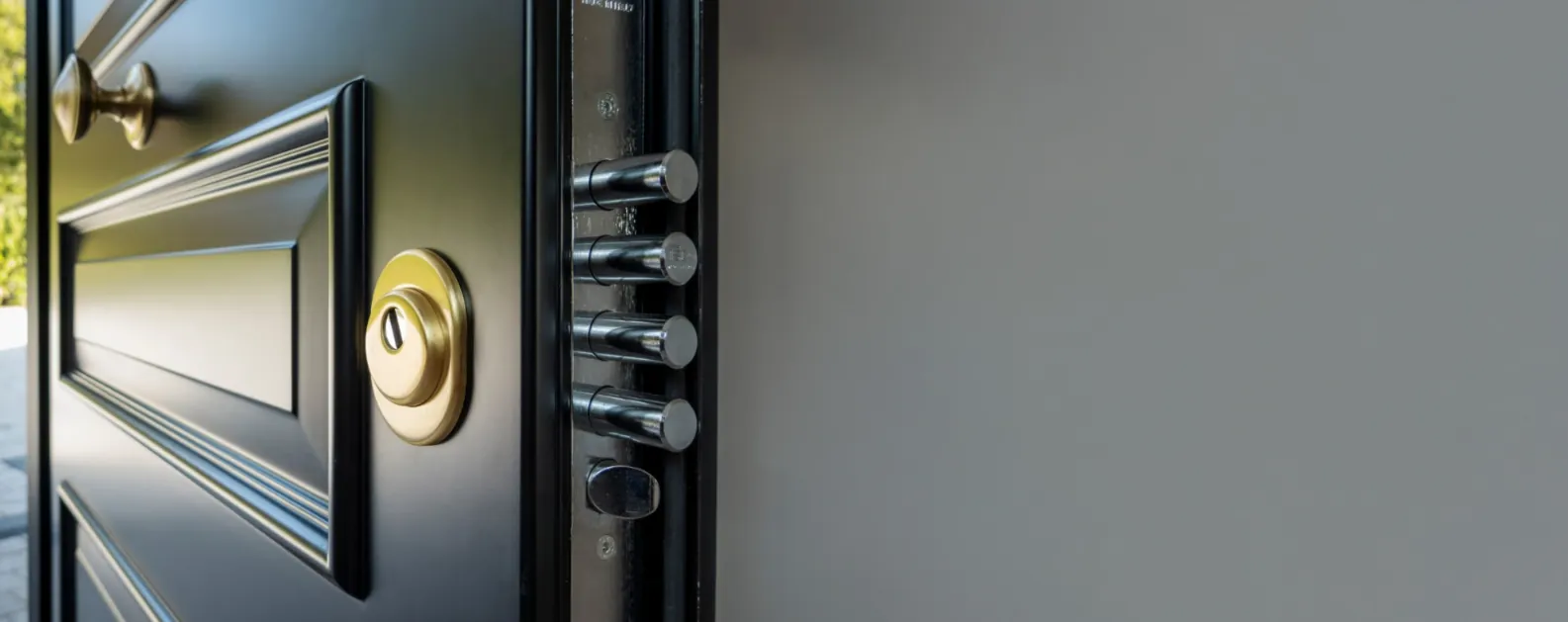
LPS 1175 vs ASTM: what is the difference?
LPS 1175 is the UK manual-attack standard, published by the LPCB and graded in SR ratings. ASTM is the United States standards organisation, and its forced-entry methods, such as ASTM F476 for swinging door assemblies and ASTM F3038 for timed forced-entry evaluation, use their own test rigs, assumed tools and grade names.
| LPS 1175 | ASTM (F476, F3038 and similar) | |
|---|---|---|
| Origin | United Kingdom, LPCB | United States, ASTM International |
| Grades | SR1 to SR8 | Its own grades and classes per standard |
| Tested unit | The complete doorset, leaf and frame together | Varies by standard |
| Recognised by | UK surveyors, insurers and Secured by Design | US specifiers and insurers |
Because the two systems test in different ways, they do not convert. An ASTM forced-entry grade cannot be translated straight into an LPS 1175 SR number, and a supplier who claims a clean one-to-one match is oversimplifying. If a specification calls for LPS 1175, an ASTM grade is not a substitute, and the reverse is also true. For UK homes and buildings, LPS 1175 and its SR scale are the reference that surveyors and insurers recognise, and the doors we supply are built and tested to the UK scheme. The standards behind every door we fit are set out on our certifications page.
Which rating you actually need
For most homes, the lower ratings, typically around SR1 to SR3, are what get specified. They are aimed at the forced-entry attempts a domestic property is realistically likely to face. Higher ratings exist for sites with a raised or specific threat, and specifying above the assessed risk mostly adds cost rather than useful protection.
The honest answer for a front door is that the right rating comes out of a survey, not a web page. Our LPS 1175 certified security doors in steel are built and tested to SR3, with SR4 as an option, but the rating for your door should follow that survey rather than lead it.
How to check a rating is genuine
A rating is only as good as the certificate behind it. Before you rely on an SR claim, ask for the certificate that names the exact product and the exact rating, and check that the door being quoted is the one that was tested, within its certified size range. If the claim you are checking is a Secured by Design one rather than an SR rating, our guide to what makes a door Secured by Design explains what that scheme actually certifies.
On our LPS 1175 certified security doors and standards page we set out the standards the products we supply are tested against, so you can see the evidence rather than take the adjective. Forty years in the security trade has taught us that buyers make better decisions when the proof is in front of them.
If you want a straight answer on the rating your door should hold, book a free site survey and we will give you a written quote with the specification set out in plain terms. You can arrange that through our contact page.
Frequently asked questions
- What does LPS 1175 mean?
- LPS 1175 is a Loss Prevention Standard used in the UK to rate how well a door, window or barrier resists a determined attempt at forced entry. Products are tested by the LPCB against a set toolkit for a set time, then given a security rating.
- What is the difference between SR2 and SR3?
- The SR number reflects the tools an attacker is assumed to have and how long the product must hold out against them. SR3 assumes a wider or heavier toolkit and a longer attack than SR2, so it is specified where the assessed risk is higher.
- Is LPS 1175 the same as Secured by Design?
- No. LPS 1175 is a test standard for forced-entry resistance. Secured by Design is the UK police-backed scheme that recommends products meeting standards such as LPS 1175 or PAS 24. A door can hold an SR rating and also carry Secured by Design status.
- How does LPS 1175 compare to ASTM?
- ASTM is the United States standards body, and its forced-entry method uses different tests and grade names. The results are not interchangeable, so an ASTM grade cannot be read straight across to an LPS 1175 SR rating.
Last updated