Front doors
What does a new front door cost in London?
In short
There is no fixed price for a London front door. Steel, aluminium, pivot and bespoke doors are made to measure and quoted after a survey. Price is driven by material, security rating (steel to SR3/SR4 under LPS 1175; aluminium to RC3/RC4), size, glazing, hardware and proper installation. Standard uPVC and composite replacements cost less; certified security doors cost more, and a written, all-in quote always follows a survey.
Key takeaways
- There is no fixed price list: every door is made to measure and quoted after a site survey.
- Cost is driven by material, security rating, size and configuration, glazing, hardware and installation.
- Steel (SR3/SR4 under LPS 1175) and aluminium (RC3/RC4) are the high-security materials; composite is cheaper with a lower security ceiling.
- Watch for unrated doors, supply-only quotes and any price given without a survey. An honest quote is all-in and follows a survey.
A new front door is one of the most visible things you can spend money on, and one of the hardest to price without a survey. London front door costs vary considerably depending on material, security specification, size and configuration. This guide explains the honest factors that drive that variation, breaks it down by material and security level, and tells you what to look for in a quote before you commit. We do not publish a fixed price list; every door is made to measure, every opening is different, and every quote follows a survey.
How much is a security door in the UK?
There is no single UK price for a security door. The cost depends on the material, the security rating it is built and tested to, the size of the opening, the glazing, the hardware and the installation. We publish no price list: every door is made to measure and quoted in writing after a free site survey.
A single figure does not travel well because “security door” covers very different things. A standard-size door sold for someone else to fit, with no named rating, is one product. A door made to measure for your opening, built and tested to a named security standard and fitted by a trained team, is another. Their prices do not compare, even when the doors look alike in a photograph.
Three questions separate one quote from another:
- What is it rated to? A quote should name the standard the door is built and tested to. If it names none, ask why.
- Is fitting included? Supply-only and supply-and-fit are different jobs. A heavy steel or aluminium frame in a London brick reveal is skilled work.
- Was the opening measured? A price given without a survey is an estimate of a door that has not been specified yet.
The rest of this guide takes each of the things that move the price in turn, material by material. If you would rather start with your own opening, book a free site survey and you will have a written quote to compare against anything else you are offered.
Why front door costs vary, and what you are actually paying for
The price of a front door is not arbitrary. It is the sum of decisions made about materials, security specification, size, configuration, finish and the work involved in fitting it properly. Understanding those decisions makes it easier to read a quote and spot when something is being left out. The same decisions apply across steel, aluminium, pivot and bespoke front doors, and the sections below take each in turn.
What the price covers:
A front door is not a single product. It is a system: the door leaf, the frame, the threshold, the locking mechanism, the cylinder, the hinges, the sealing, the glazing (if any), and the installation that makes it function correctly under the conditions of your specific opening. A low-cost door fitted badly performs worse than a modest door fitted well. A security-rated door that has been certified to resist forced entry is a different proposition from a door that simply looks similar.
The variables that move the price:
- The material. Steel, aluminium, timber, composite and uPVC are not equivalent. Steel and aluminium offer the highest security ratings. Timber and composite offer warmth and traditional appearance at lower cost and lower security ceiling.
- The security rating. A door tested and rated against an independent forced-entry standard has been put through controlled attack tests. Steel doors are rated to SR3 or SR4 under LPS 1175; aluminium doors are rated to RC3 or RC4. That testing and construction costs more to produce than an unrated door.
- Size and configuration. A standard single leaf in a standard opening costs less than a wide-span door with a full-height sidelight, a transom, and a bespoke frame.
- Glazing. Laminated security glass, toughened glass or decorative glass all carry different price points.
- Hardware. The cylinder, knob, letterplate and hinges sit within a range from functional to premium.
- The survey and installation. A made-to-measure door is measured on site, made to the exact opening, and installed by a trained team who are responsible for the result. That service is priced into a good quote.
How much should a steel front door cost?
A steel front door should cost what its specification and installation justify. The price is set by the rating it is built and tested to (SR3 or SR4 under LPS 1175), the opening’s size and configuration, the glazing, the hardware and the finish. Every steel door we fit is made to measure and quoted in writing after a free survey.
Steel is the dominant material for high-security residential front doors in London. A made-to-measure steel security front door, supplied and fitted, is priced after a survey and varies by size, security rating, design and configuration. There is no fixed price list; every quote is built from the specific opening and specification, drawing on more than 40 years in the security trade.
“Should” is the useful word in that question. A steel door that costs noticeably less than others is usually missing something: a named rating, the installation, or a survey of the opening. One that costs more should show you where the difference goes in the written quote.
The main variables are:
- Security rating. A steel door built and tested to SR3 (and SR4 where the risk calls for it) requires more material and engineering than a door aimed at the lower end of the residential market. The security rating you need depends on your property and your assessed risk, not simply on preference.
- Size. A standard opening in a Victorian terrace differs from the wide opening of a 1970s detached property or a new build with a full-height frame.
- Configuration. A simple single leaf with no glazing is at the lower end of the range. A door with a full-height sidelight, a top-hung transom, security glass and bespoke milling adds to the price at each stage.
- Finish. Black is the most popular finish in London at the moment (by a considerable margin). All RAL colours are available; specialist metallic finishes sit at the upper end.
The steel page on this site gives more detail on construction: the galvanised steel frame, insulated core, multi-point locking and concealed hinges that make the security rating credible rather than decorative.
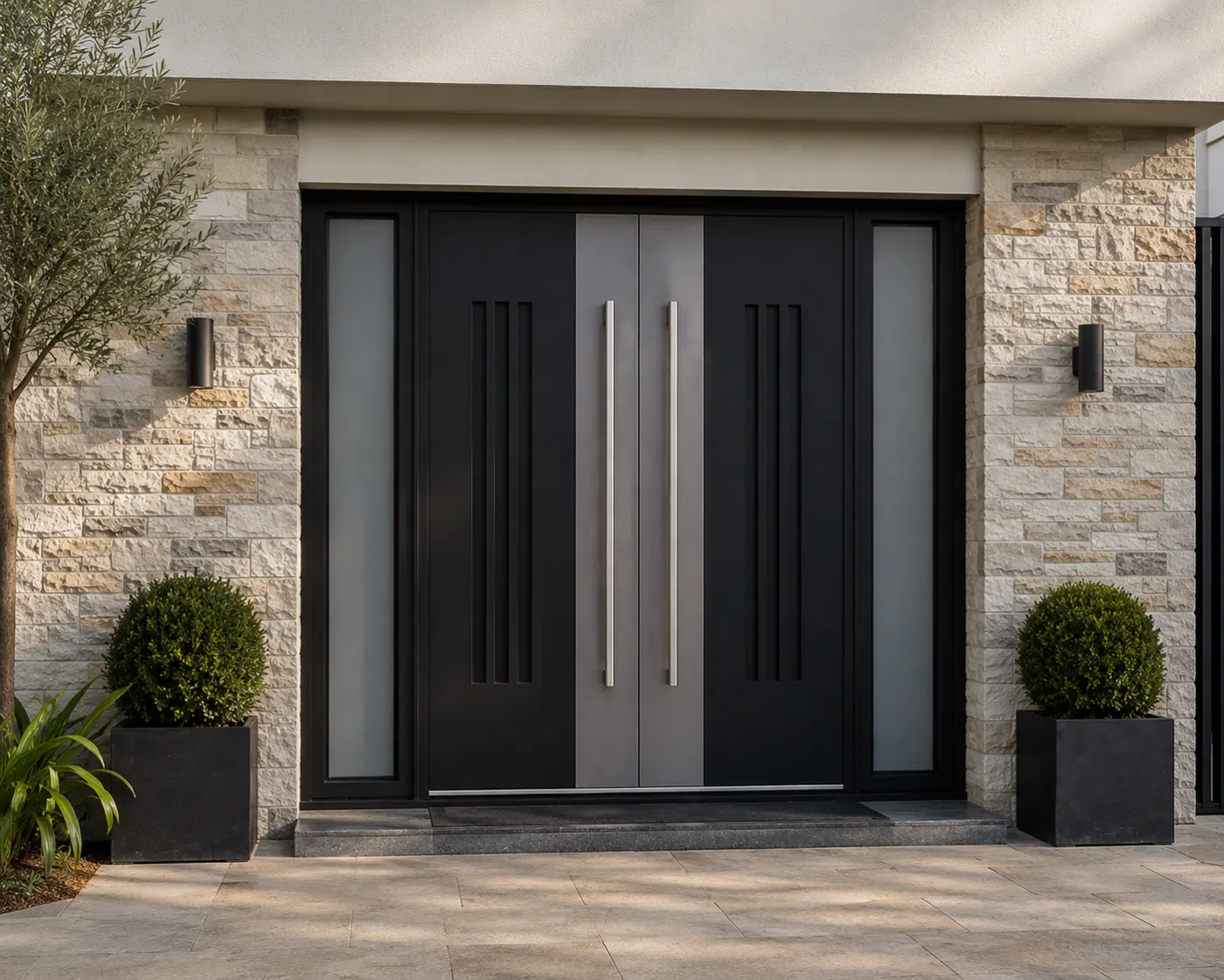
What does an aluminium front door cost?
Aluminium front doors tend to sit in a similar or slightly higher range to steel, for different reasons. The material itself is well-suited to larger glazed openings, slimmer sightlines and modern or contemporary frontages. A thermally broken aluminium front door maintains performance at wide spans where steel becomes harder to engineer.
In the London market, a made-to-measure aluminium front door is priced after a survey, with cost driven by size, glazing format, sidelight configuration, frame specification and hardware. Larger doors with full-height glazed panels, complex sidelights and high-performance thermally broken frames sit at the upper end. Every quote is written individually after a site visit. Our guide to what an aluminium front door costs takes each of those drivers in turn.
If the driver is aesthetics (large glass, a clean modern line, RAL colour across a wide span), aluminium is the natural material choice. If the driver is outright security rating, steel carries a higher ceiling. The honest answer depends on your opening and your priorities, which is why a free site survey (not a web enquiry form alone) is the right starting point.
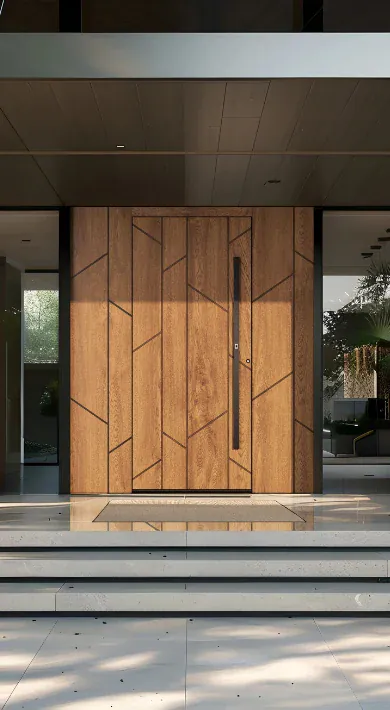
What does a bespoke or pivot front door cost?
Made-to-measure pivot front doors and fully bespoke configurations sit at the higher end of the London market. Pivot doors carry a premium because the pivot mechanism itself is a precision component, oversized proportions require engineering at scale, and the architectural statement these doors make commands more material, more labour and more time.
A pivot front door in London is priced individually after a survey and design consultation. Cost is driven by the pivot mechanism specification, door format and proportions, glazing type, hardware and finish. Fully bespoke designs, where the brief begins from a drawing rather than a catalogue, are quoted after the survey and design process; there is no catalogue price for a door that does not exist yet. Our guide to what a bespoke front door costs sets out what moves that figure and when you get a real one.
These are long-life decisions. A pivot or bespoke front door is not replaced after five years. The cost should be read over the life of the door, not against a like-for-like comparison with a mass-market composite.
What drives the price up?
When you get a quote that is higher than you expected, these are usually the reasons:
Door size. A larger opening requires more material, a stronger frame, and more installation time. London properties range from the narrow Edwardian terrace to the wide Victorian villa and the modern new build; none of them take a standard door without modification.
Security specification. A door tested and rated to a recognised forced-entry standard (steel to SR3 or SR4 under LPS 1175; aluminium to RC3 or RC4) costs more to produce and test than a door without that rating. If your insurer, or your own risk assessment, calls for a security-rated door, that rating carries a real production cost that is not negotiable.
Glazing. Clear security glass, obscure glass, leaded or decorative glazing, and full-height glass panels all carry different prices. Glazing is one of the most common ways a seemingly similar door specification differs in practice.
Sidelights and transoms. A sidelight or top-hung transom turns a single-door project into a frame-and-multiple-panel project. That adds material, labour and lead time.
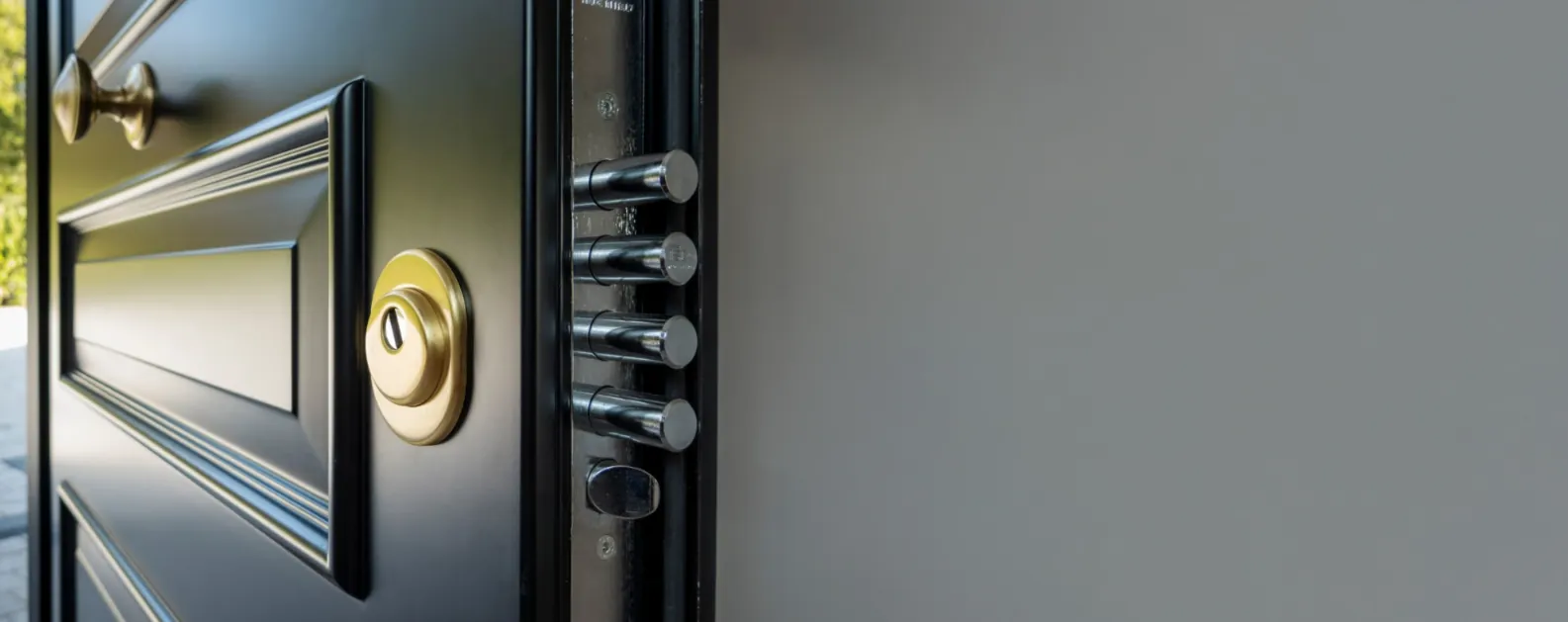
Hardware. Anti-drill, anti-pick cylinders, multi-point locking mechanisms, and premium lever sets are more expensive than their standard equivalents, but they are also the components that are tested under forced-entry conditions. A certified door with downgraded hardware is not the same door.
Made-to-measure production. Every door on this site is measured on site and made to order. That is not a marketing claim; it means the door is built for your opening, not cut down from a standard size, and the fit and performance reflect it.
What drives the price down, and what you should be wary of
A lower quote is worth scrutinising before you accept it. The common cost-saving moves in the London door market are:
An unrated door. A door that has not been independently tested to a named security standard (such as LPS 1175 for steel or the RC scale for aluminium) costs less to produce. It may look similar. It will not perform the same under a forced-entry attempt. Check whether the quote includes a named security rating.
Composite. Composite doors offer a reasonable aesthetic at a substantially lower cost than steel or aluminium. They are not equivalent in security terms; their security ceiling is lower, and they do not carry the same certification profile. If composite is the right choice for your home, it is worth knowing that going in, not discovering it after a burglary.
Omitted installation. Some quotes separate supply and fit. Read what is included. Fitting a heavy, made-to-measure steel frame into a London brick reveal is skilled work that takes time and costs money. A supply-only price and a supply-and-fit price are not comparable.
An unmeasured quote. A front door price quoted without a site survey is a guess. The opening, the reveal depth, the lintel condition, the floor finish, the step height and the existing frame condition all affect the final price and the installation method. An honest quote follows a survey.
Is a security front door worth the cost in London?
A front door is one of the few things in a property that works every day, for twenty years or more, and that is visible to everyone who visits. The question of whether it is worth the cost is different from the same question about a boiler or a kitchen.
A security-rated steel or aluminium front door does four things a standard door does not. It resists forced entry to a tested and independently verified standard. It performs thermally: our steel doors are built to achieve a U-value of up to 0.8 W/m²K, which helps keep energy costs down and the home warm. It can reduce home insurance costs where the insurer recognises the standard. And it is, plainly, a statement about the quality of the home it belongs to.
No door purchase removes the anxiety of a difficult decision at this price level. What a good survey, a clear written quote and 40 years in the security trade behind the work does is make the decision feel right before any money changes hands, and deliver something that does not need revisiting.
Ready to find out what your front door will cost?
Book a free site survey and we will measure your opening, walk through your options, and give you a written quote that covers everything, all-in after a free survey.
Frequently asked questions
- How much does a front door cost in London?
- It varies by material, security specification, size and configuration. Standard uPVC and composite replacements sit at the lower end; made-to-measure steel, aluminium, pivot and bespoke security doors cost more, reflecting certified construction, specialist installation and doors built to the exact opening. A survey is the only reliable starting point, and every quote is written before any work begins.
- How much is a security door in the UK?
- There is no single UK price for a security door. The cost depends on the material, the security rating it is built and tested to, the size of the opening, the glazing, the hardware and the installation. We publish no price list: every door is made to measure and quoted in writing after a free site survey.
- How much should a steel front door cost?
- A steel front door should cost what its specification and installation justify. The price is set by the rating it is built and tested to (SR3 or SR4 under LPS 1175), the opening's size and configuration, the glazing, the hardware and the finish. Every steel door we fit is made to measure and quoted in writing after a free survey.
- What is included in the price of a front door?
- A comprehensive quote should cover the site survey, the made-to-measure leaf and frame, the threshold, the locking mechanism, the cylinder, the hinges, any glazing, removal of the existing door, installation and making good around the opening. Any quote that separates supply and fit needs reading carefully. Ours are all-in, written before work begins.
- Why is a security front door more expensive than a composite door?
- A security-rated steel or aluminium door uses more material, more engineering (multi-point locking, anti-drill cylinders, concealed hinge-side bolts) and independent testing to a named standard (steel to SR3/SR4 under LPS 1175, aluminium to RC3/RC4) before that rating can be applied. Composite doors are not tested to those levels. The difference reflects genuine construction and certification, not margin.
- How do I get an accurate quote for a front door in London?
- Book a free site survey. Prices are determined by the exact opening, the reveal depth, the condition of the existing frame and lintel, access and logistics, and the specification you choose. We survey at no charge, measure on site, and produce a written quote covering everything.
Last updated