
Front doors
Do security doors increase property value?
In short
A certified security front door can support a property's value, but the uplift depends on the property. It helps in four ways: it satisfies the security standards insurers and surveyors reference, it improves the first impression that shapes a buyer's view of the whole house, it removes a visible weak point a buyer would otherwise price in, and it lasts far longer than a standard replacement while cutting heat loss at the entrance. Nobody can promise a fixed percentage, and we will not. What a certified door does guarantee is a verifiable standard you can show a buyer, a surveyor and an insurer.
Key takeaways
- There is no reliable fixed percentage for the value a security door adds, and any supplier quoting one is guessing.
- The value case rests on four things a buyer or surveyor can verify: a named certification, kerb appeal, the removal of a weak point, and a door that outlasts the alternatives.
- Insurers reference PAS 24, LPS 1175 and Secured by Design, so a certified door gives the next owner an evidence base as well as a front door.
- The uplift is largest on properties where the existing door is visibly weak or out of keeping, and smallest where the door is already adequate.
A certified security front door can support a property’s value, but the honest answer is that the uplift depends on the property. On a house where the existing door is visibly weak, dated or out of keeping, a made-to-measure steel or aluminium door changes the first impression and removes a problem a buyer would otherwise price in. On a house where the door is already sound, the effect is smaller. No supplier can promise a fixed percentage, and this guide will not. What it will do is set out the four ways a security door supports value, and where each of them applies.
Why is there no reliable figure for the value a door adds?
Because the value of a house is set by location, size, condition and the market on the day, and a door is one visible component among many. Figures quoted for kerb appeal usually describe a whole frontage refresh or an agent’s opinion of a redecorated house. We have not found a published source that isolates a certified security door from the rest of the frontage, so we are not going to quote one.
That does not make the question pointless. It means the answer is qualitative: a security door supports value in specific, verifiable ways, and you can judge how much each one applies to your own house.
How do insurer and surveyor requirements affect value?
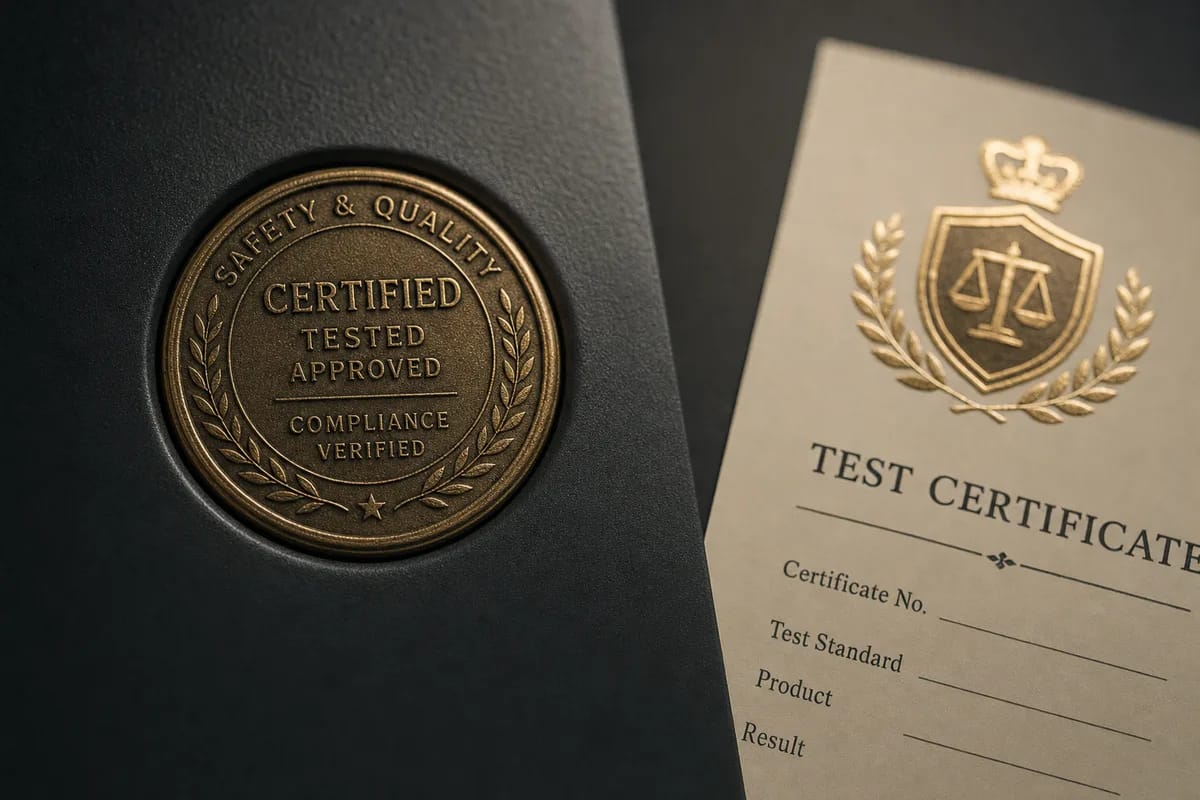
A named certification is the part of a security door a buyer can verify, and that is what gives it weight in a sale.
Insurers do not keep an approved-door list. They reference independent standards, chiefly PAS 24, LPS 1175 and Secured by Design, and assess a property’s risk on whether its doors meet them. Our guide to insurance approved doors explains what each standard requires and how to check a door against it. The practical effect for a seller is that a certified door comes with paperwork the next owner can hand to their own insurer, which removes one source of friction from the purchase.
PAS 24 is also the standard that building regulations in England point to for new homes. The government’s Approved Document Q states that its Requirement Q1 “applies only in relation to new dwellings and provides that reasonable provision must be made to resist unauthorised access to any dwelling”. It does not apply retrospectively to an existing house, but it sets the benchmark surveyors and architects recognise, and a door tested to PAS 24 meets it. The standards our doors are built and tested to are listed on our certifications page.
For a buyer, the difference between “the door is secure” and “the door is tested to LPS 1175 SR3 and here is the certificate” is the difference between an opinion and a fact. Facts hold their value in a negotiation.
Does kerb appeal from a front door really change what buyers will pay?
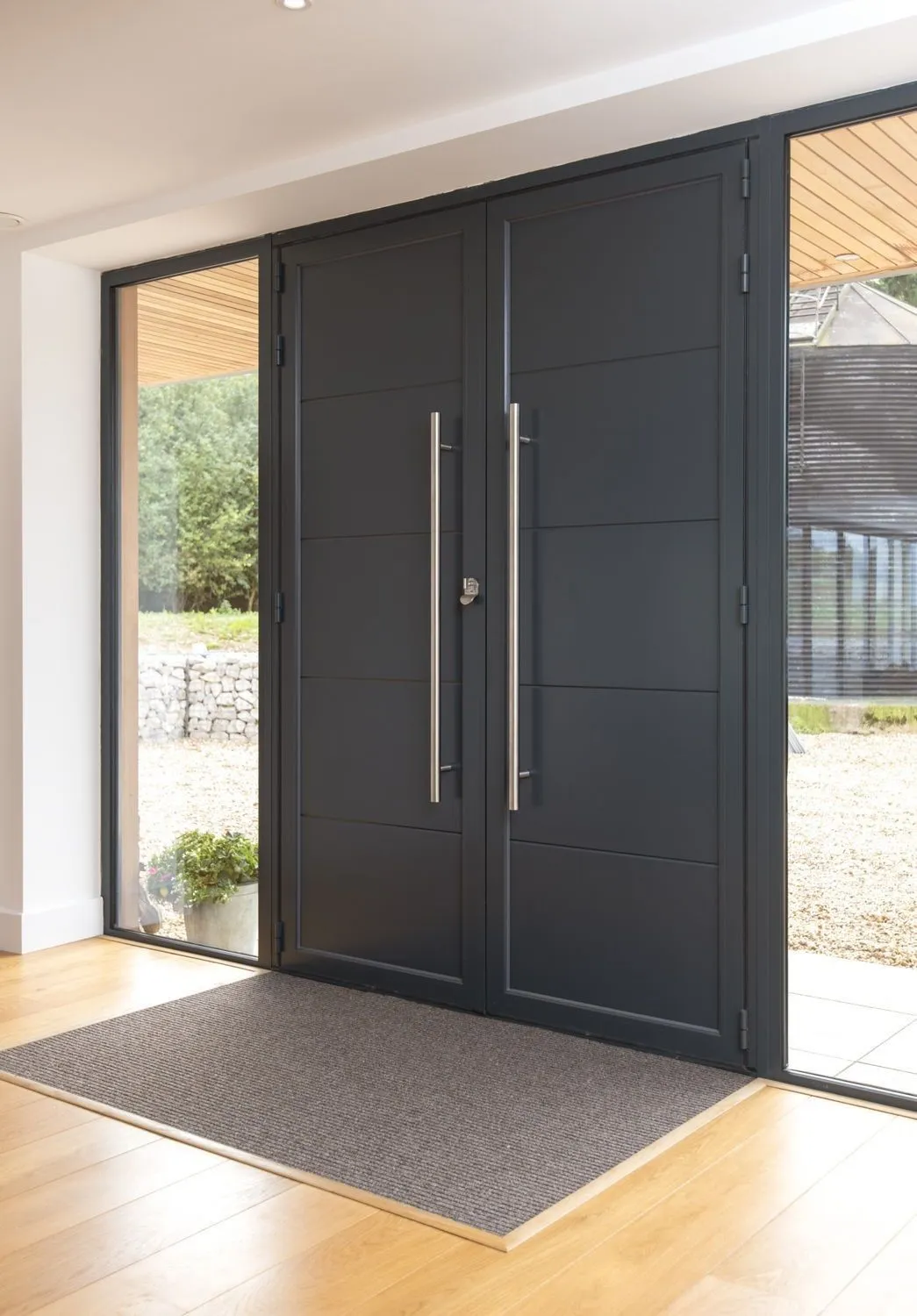
A front door is the first thing a buyer touches and one of the first things they photograph. It sits in the centre of the listing photo and at eye level on the viewing. That does not make it worth a set figure, but it does mean it shapes the buyer’s view of everything that follows.
The mechanism is simple. A dated, dented or mismatched door tells a buyer the house has been let go, and they start looking for what else needs doing. A made-to-measure door in a profile and colour that suit the house tells them the opposite, before they have seen a single room.
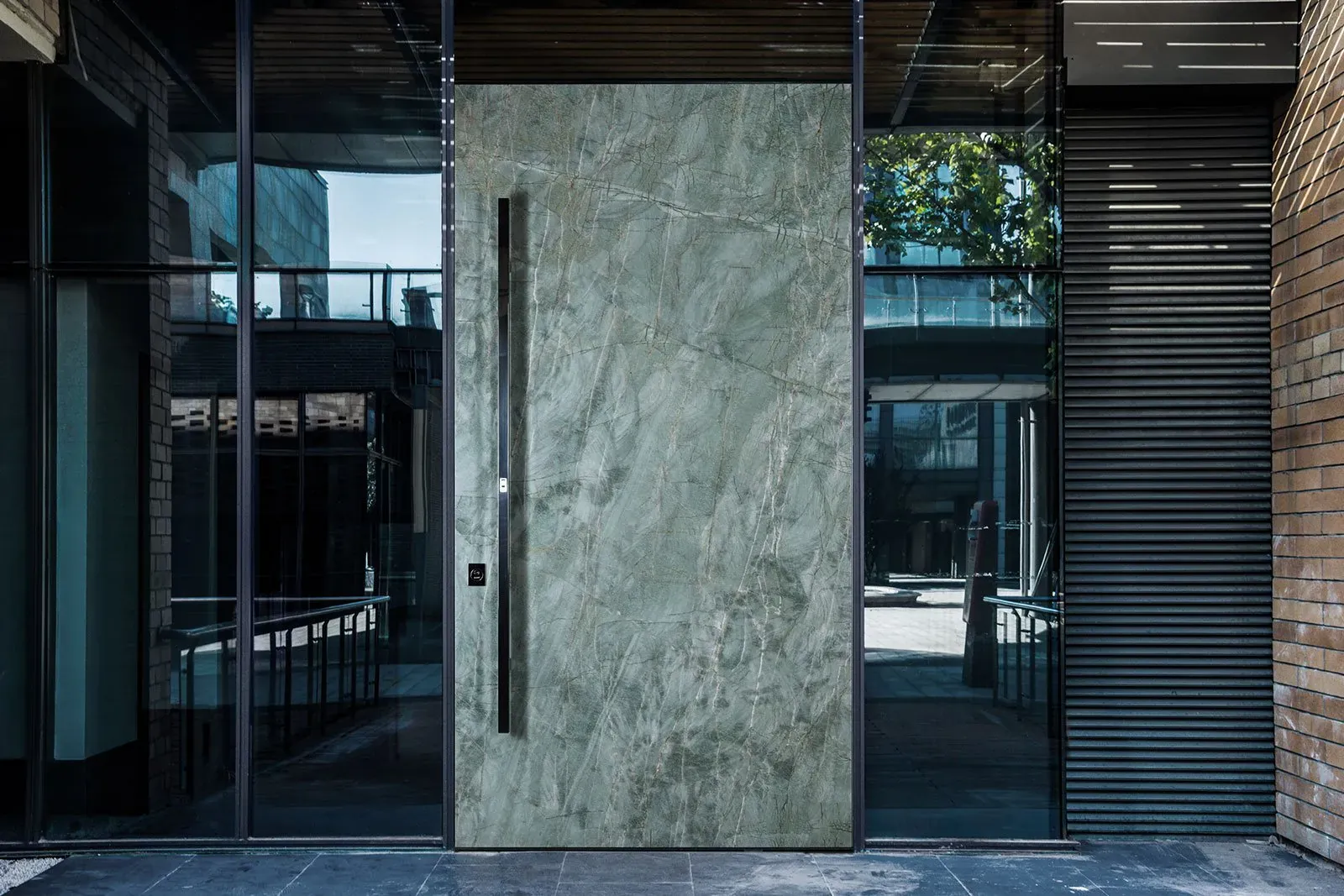
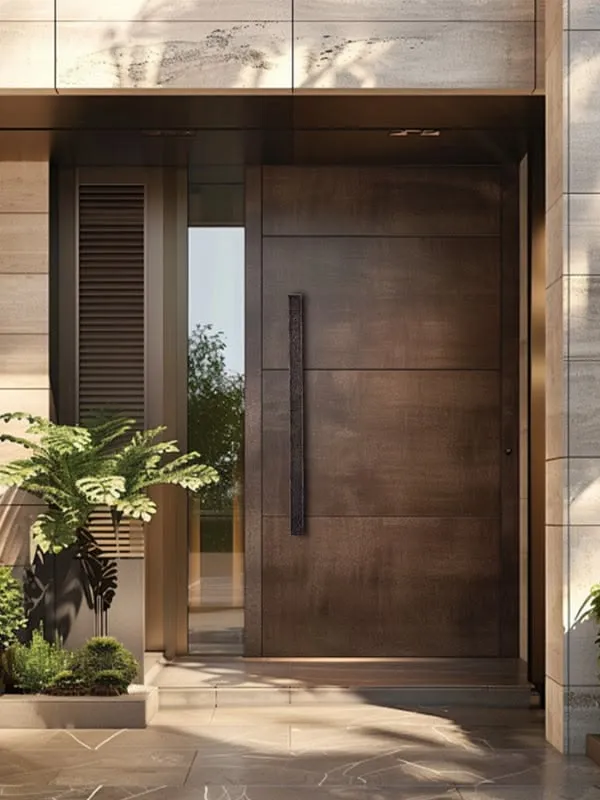
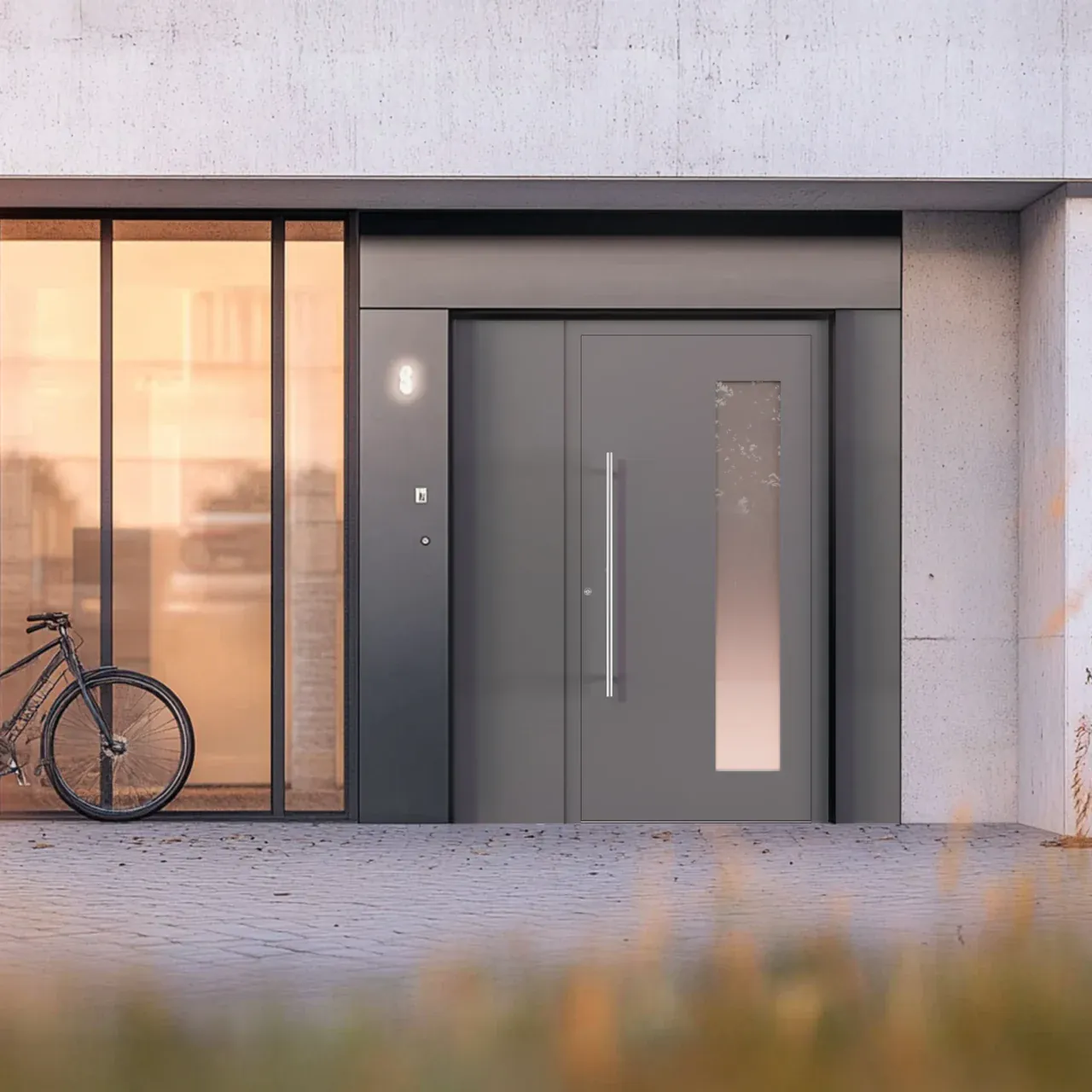
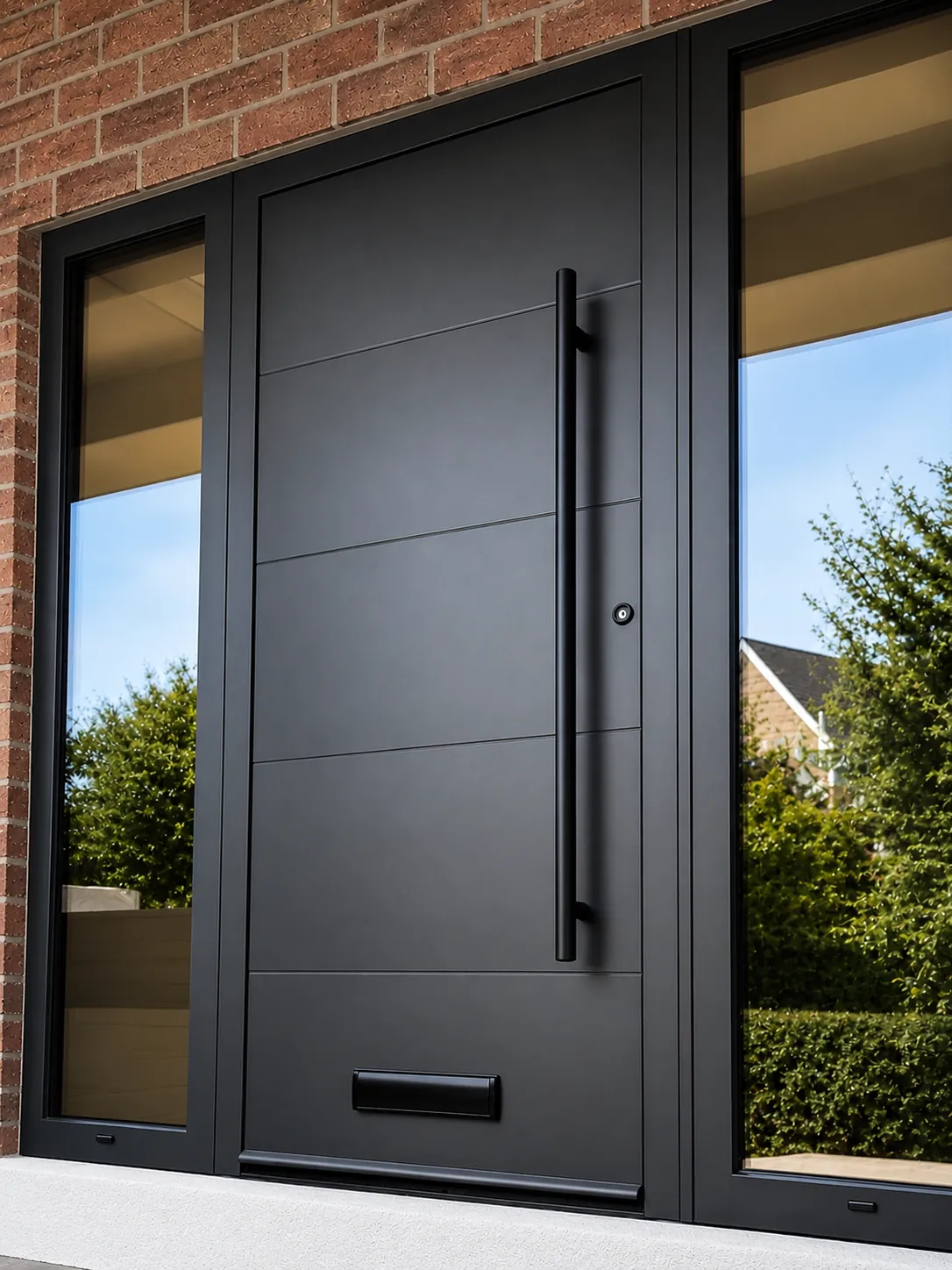
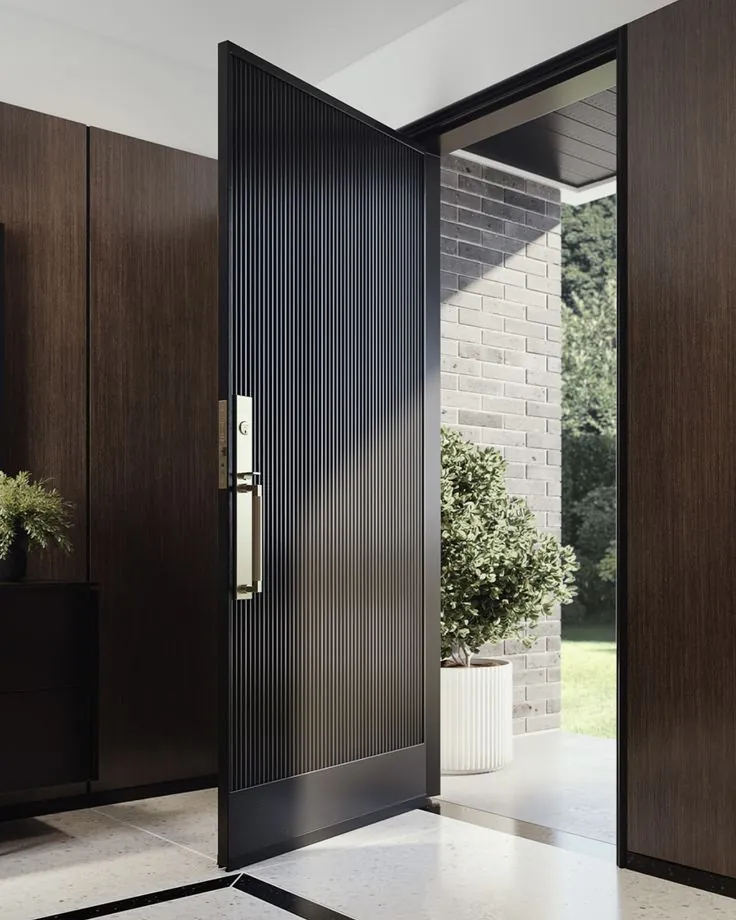
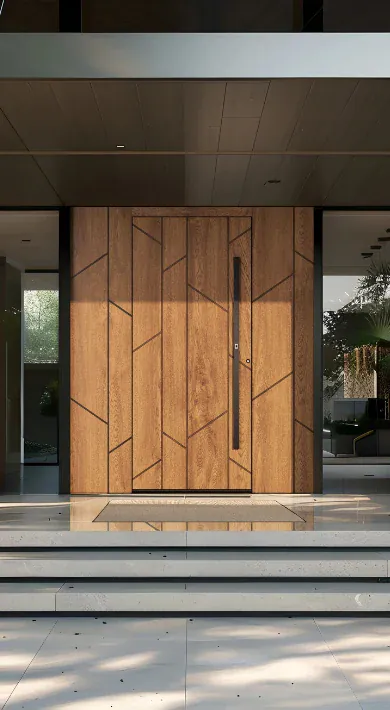
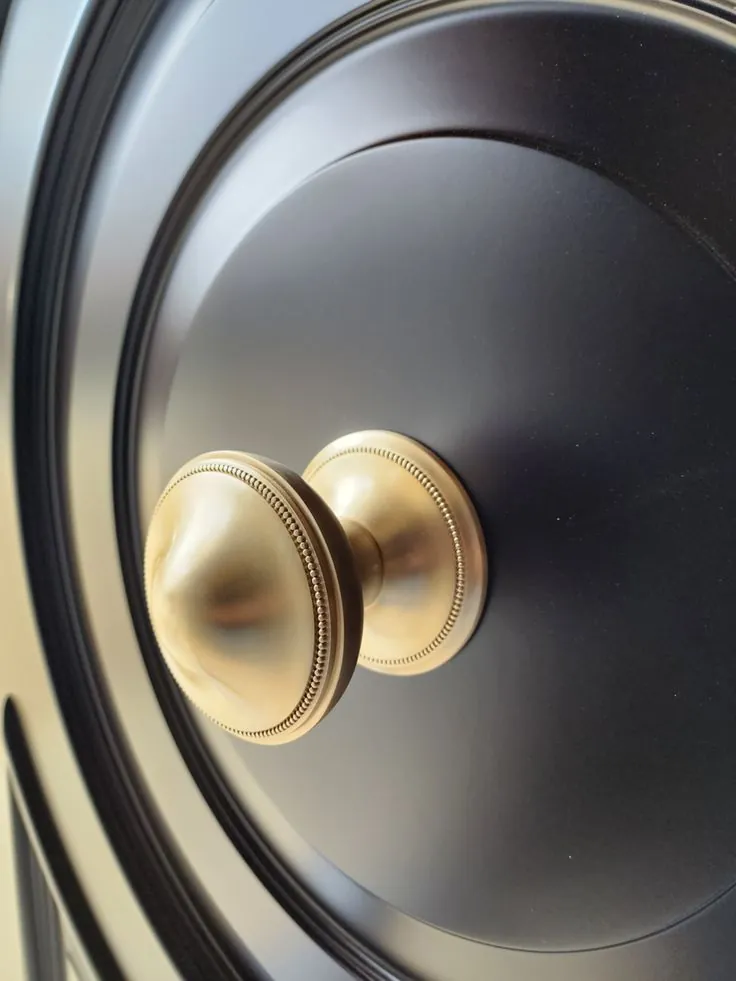
Design matters here as much as security, and the two are not in tension. A steel door can be milled to a Georgian, Victorian, Edwardian or contemporary profile and powder coated in any RAL colour. An aluminium front door gives slim sightlines and large glazed panels on a modern frontage. Either way the buyer sees the door they expect on that house, and the tested construction sits behind it.
What does removing a weak point do to a valuation?
Surveys flag defects, and buyers use defects to negotiate. A front door that is soft at the bottom rail, has a failed multipoint lock, a cracked GRP skin or a frame that has moved is a defect. It is also the most likely entry point in a burglary, which a buyer in a higher-risk area will already have on their mind.
Replacing that door with a certified steel front door, tested to LPS 1175 SR3 to SR4, closes the defect and the worry in one job. The buyer no longer has a reason to deduct for it, and they gain a door that answers the insurer’s question on day one. On a house where the entrance is the weakest point of the envelope, this is the largest single contributor to any uplift.
Where the existing door is sound, this contribution is small. Be honest with yourself about which case your house is in before you spend.
Do longevity and energy performance count for anything?
Yes, and they are the parts of the value case a buyer thinks about after the viewing.
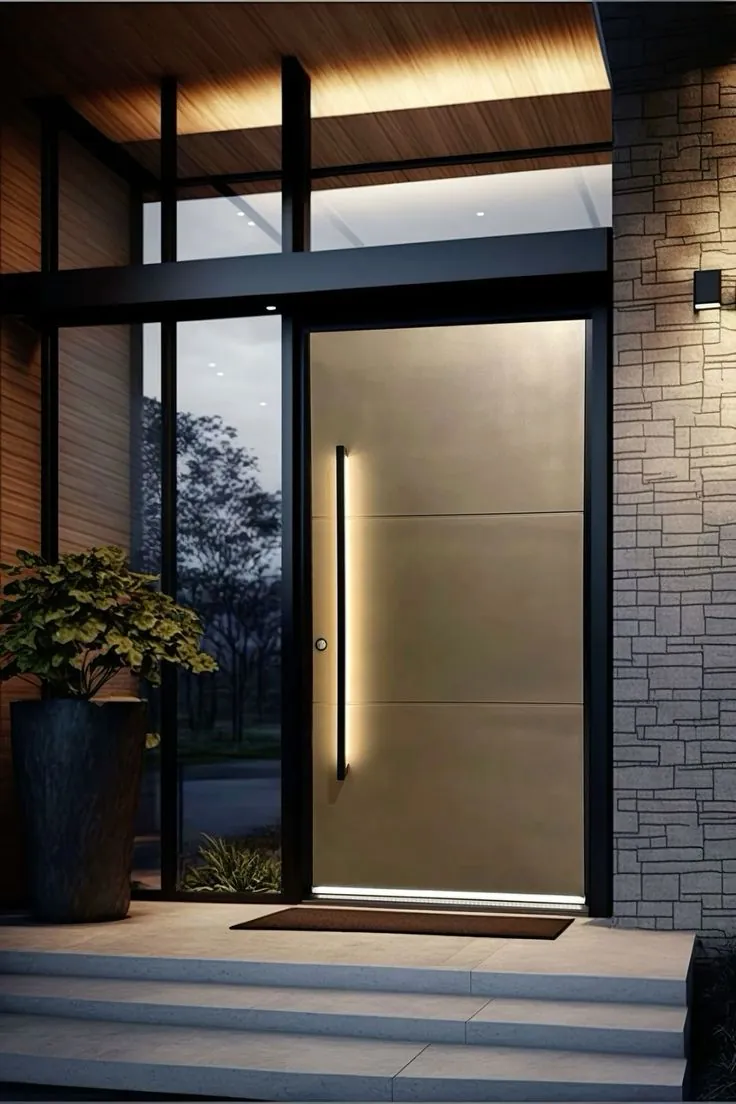
Longevity. A galvanised steel or aluminium door, powder coated and properly installed, does not rot, warp or delaminate. The finish holds its colour, and if it is ever damaged it can be repainted in the same RAL without replacing the door. A buyer weighing two similar houses will notice that one entrance will need replacing within their ownership and the other will not.
Energy performance. The entrance is a common source of heat loss in an older house, through the leaf itself and through gaps at the frame and threshold. A steel door with a specified insulated core and double perimeter sealing, or an aluminium door with a thermally broken frame, limits that loss. The effect on an Energy Performance Certificate depends on the rest of the house, so we will not claim a rating change, but a warmer hallway and a lower draught are things a buyer feels on a winter viewing.
Neither of these adds a line to a valuation on its own. Both make the house easier to sell at the price you are asking.
When is a security door worth it for value, and when is it not?
It is worth it when the existing door is visibly weak, dated, out of keeping, or has failed a survey, and when the house sits in an area where security is on a buyer’s mind. In those cases the door does four jobs at once: it answers the insurer, it fixes the first impression, it removes a defect and it lasts.
It is a weaker case when the current door is sound, suits the house and already holds a recognised certification. Then the money is better spent where the house is actually falling short.
The cost side of the decision is set out in our guide to what a new front door costs in London. We do not publish a price list because every door is made to measure and every opening is different, so the only reliable figure is a written quote after a survey.
Not sure which case your house is in?
A free site survey settles it. We look at the existing door, the opening and the property, tell you plainly whether a new door is the right spend, and if it is, recommend the standard and the design that suit the house.
Book a free site survey, or read the certifications our doors are tested to first.
Frequently asked questions
- Does a new front door add value to a house?
- A front door is the highest-impact visible change to a frontage for its cost, and a made-to-measure certified door replaces a weak first impression with a strong one. Whether that converts into a measurable figure depends on the property, the street and the market, so treat any fixed percentage with suspicion.
- Do buyers care about security doors?
- Buyers care about the things a security door signals: a well-kept house, a low-hassle move, and a property that will not need immediate work. A named certification also answers the questions a surveyor or insurer will ask, which removes a reason to negotiate on price.
- Will a security door lower my home insurance?
- It can help. Insurers reference standards such as PAS 24, LPS 1175 and Secured by Design when assessing risk, and some offer better terms for certified doors. No insurer publishes a fixed discount, so ask yours in writing before you buy. Our guide to insurance approved doors explains what to ask.
- Is a security door worth it if I am selling soon?
- If the existing door is visibly weak, dated or out of keeping with the house, a certified made-to-measure door is one of the few changes a buyer sees before they step inside. If the current door is sound and suits the property, the case is weaker and the money may be better spent elsewhere.
- Does a steel security door look cheap on a period house?
- No. A made-to-measure steel door is milled to a Georgian, Victorian or Edwardian profile and powder coated in any RAL colour, so from the street it reads as a painted panelled door. The security rating is in the tested construction, not in the appearance.
- How long does a security front door last?
- A galvanised steel or aluminium door, powder coated and properly installed, does not rot, warp or delaminate and can be repainted in the same colour if the finish is ever damaged. With basic maintenance it outlasts a composite or timber replacement by a wide margin, which matters to a buyer thinking about the next ten or twenty years.